BUY THE 2026 PRICE — BEFORE THE 2027 WEATHER PREMIUM
September 1, 2026
The most important commercial message from the recent Barclays’ El Niño report is straightforward: the…

The costs of edible oils decreased during the first quarter of this year due to increased interest rates from central banks, which has affected demand.
This has also caused doubts about whether demand will continue to grow, especially as El Nino has begun to affect global weather patterns in many areas.
However, recent inflation data suggests that interest rates may soon peak, and with higher than anticipated export numbers for Palm Oil, prices have begun to stabilise. While they are not yet at their yearly high, the trend is upward.
Additionally, unfavourable weather conditions worldwide have led to an increase in the price of Soya, which is also on an upward trend. This could indicate that prices will continue to firm up for the remainder of the year as El Nino has a greater impact on the supply side.
The cost of olive oil has reached an all-time high due to the hot and dry weather conditions that have adversely affected olive crops in Southern Europe. Spain, the largest olive oil producer globally, experienced a particularly poor harvest this year, prompting officials to call for urgent action to address climate change, resulting in drought, heatwaves, and water shortages that have impacted production.
The price of a 500ml bottle of olive oil has increased by 47% since last year, according to the UK’s Office of National Statistics, making it one of the household staples with the highest price increase. According to the most recent official figures, food and drink inflation in the UK was 18.3% in May.
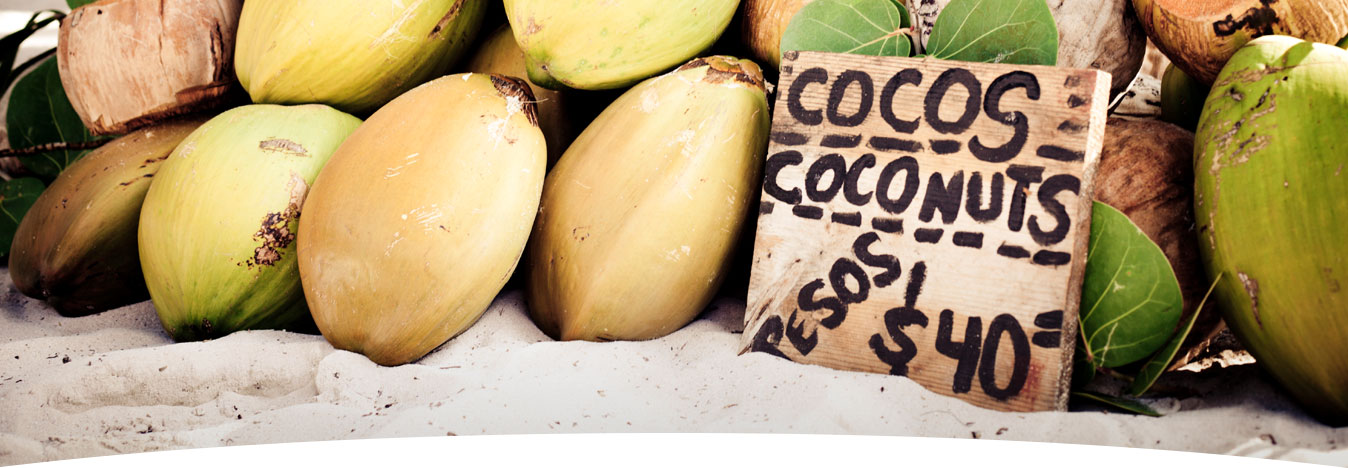
However, coconut oil and desiccated coconut remain relatively cheap due to the steady supply.
The effects of El Nino have yet to be felt, and the Philippine Typhoon season shouldn’t begin until September. Buyers are taking advantage of these low prices by purchasing as far in advance as possible.
This has led to a shortage of immediate supply. However, buyers are struggling to predict demand for the second half of the year as people face increasing costs of living and debt, resulting in potentially lower demand.
It’s a delicate balance between having enough inventory and having too much. Could it be just a matter of time before prices rise?
Why not subscribe to receive the latest market news straight to your inbox to clinch the best deal!
September 1, 2026
The most important commercial message from the recent Barclays’ El Niño report is straightforward: the…
August 31, 2026
Market direction The Philippine coconut market presented a divided picture this week. Copra and domestic…
August 24, 2026
Market direction Trading of nearby desiccated coconut and European coconut oil remains subdued, while palm…
August 18, 2026
This week, the coconut market continued to weaken, especially in coconut oil and Philippine copra.…
August 10, 2026
The coconut market has softened further this week, particularly in coconut oil, while desiccated coconut…
August 3, 2026
This week saw a mixed picture across the coconut sector. International coconut oil prices edged…
If you require technical information about our products, then please login here to access the most up to date information...
Let's take a look at this...