Coconut Market News 14th September 2026
September 14, 2026
The coconut market restarts after the holidays across the European Union, with rising Philippine raw-material…

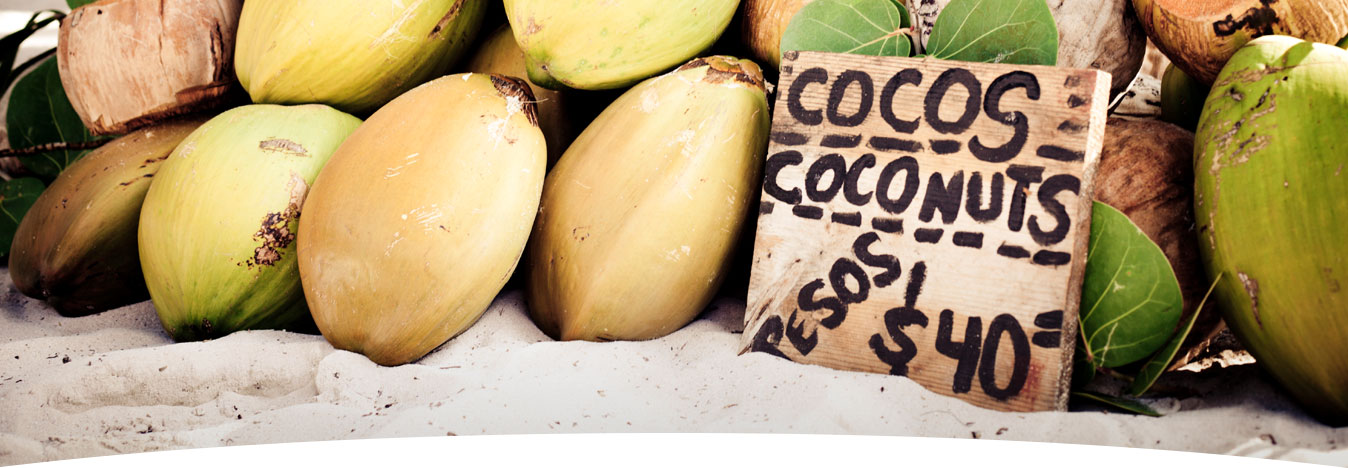
This week saw a mixed picture across the coconut sector. International coconut oil prices edged higher despite a quieter Rotterdam market, while desiccated coconut prices remained remarkably stable. Locally, however, Philippine copra prices corrected sharply after four consecutive weeks of gains as selling pressure increased. Meanwhile, the industry continues to monitor the developing El Niño, which remains one of the biggest medium-term risks to coconut production.
Desiccated Coconut
The desiccated coconut market continues to demonstrate exceptional stability.
International export prices have now remained unchanged for 24 consecutive weeks, with sellers quoting:
Although export prices remain unchanged, domestic production costs continue to edge upwards.
Manila desiccated coconut prices increased slightly to:
Export markets remain balanced despite significant volatility elsewhere in vegetable oils. The continued firmness in domestic pricing indicates processors are still facing relatively high raw material costs, even as copra prices eased this week.
Coconut Oil
International coconut oil markets weakened early in the week before recovering towards Friday.
Current Rotterdam indications closed around:
$2,081–2,095/MT CIF Europe
Average weekly price:
$2,088.50/MT
This represents an increase of around $31/MT compared with the previous week.
Palm oil continued to outperform during the week, although coconut oil maintained a premium of approximately $505/MT over palm oil. Meanwhile, the price discount against palm kernel oil narrowed considerably.
Local Philippines
Local coconut oil values softened following the correction in copra prices.
Crude Coconut Oil
RBD Coconut Oil
Buying interest remains relatively subdued despite lower asking prices.
Copra Market
The biggest movement this week came from local copra markets.
After four weeks of continuous increases, prices corrected sharply.
Quezon
Average seller prices fell by approximately:
₱1,200 per 100kg
to
₱4,950–5,300
Visayas & Mindanao
Prices also declined significantly but remained above Quezon levels.
Seller prices:
₱5,950–6,300 per 100kg
The correction appears to reflect profit-taking after recent rallies rather than any major deterioration in underlying demand.
Industry News
Philippine coconut exports decline in June
UCAP estimates show Philippine coconut exports declined 3.4% year-on-year during June and were over 30% lower than May.
Despite the overall reduction, desiccated coconut exports increased by 5%, reaching 14,124 MT, while coconut oil exports fell by approximately 6%.
For the first six months of 2026:
New opportunities in the Middle East
The Philippine Trade and Investment Centre has launched Project CocoBridge in Dubai.
The programme is designed to increase Philippine coconut exports across the GCC region by improving retail access, distribution and regulatory support through a partnership with UAE retailer Sharjah Cooperative Society.
This initiative should strengthen long-term export opportunities for higher-value coconut products throughout the Middle East.
Vita Coco expands
The Vita Coco Company has acquired Thailand-based Copra Inc., one of the leading producers of premium Thai Nam Hom coconut water.
The acquisition gives Vita Coco immediate access to the fast-growing premium chilled coconut water market and further highlights continued investment across the global coconut beverage sector.
El Niño Update
Although weather conditions across many Philippine coconut-growing regions have recently improved, the market continues to focus on forecasts for a developing El Niño.
UCAP notes that concerns over a possible super El Niño remain one of the supporting factors behind higher vegetable oil markets, alongside strong demand from India and Indonesia’s B50 biodiesel programme. UWB 7-30-26.pdfPDF
From our ongoing weather analysis, El Niño remains the principal medium-term risk for coconut supply.
Historically, El Niño affects the coconut industry by:
Unlike typhoon damage, which often causes short-term supply disruptions, El Niño can reduce production for many months after the dry period ends, making it a much longer-lasting supply risk. Our internal analysis also indicates that weather-related supply shocks tend to create rapid increases in copra prices, which are then reflected in desiccated coconut pricing as processors compete more aggressively for raw material.
Shipping Update
Container freight remains more favorable compared to the high levels seen in 2025. Drewry’s World Container Index has continued to decline over recent months as more ships have entered the market and demand has decreased. Although rates can still be affected by seasonal changes, current freight conditions are much more competitive than during last year’s peak.
Summary
The market starts August with mixed signals. While the recent sharp drop in Philippine copra prices has lessened immediate pressure on processors, international coconut oil prices stay strong, and desiccated coconut export prices remain steady. Philippine desiccated coconut exports continue to be resilient. However, the developing El Niño could threaten future production, leading buyers to adopt a cautious approach in covering their forward needs rather than a bold one. Currently, the market remains balanced at a fundamental level, but weather developments expected in the coming months are likely to heavily influence prices as we approach the last quarter of 2026.
Note:
The Rotterdam market is rarely used nowadays. Most transactions are handled directly by major commodities traders, typically known as ABCD—Archer Daniels Midland, Bunge, Cargill, and Louis Dreyfus, with Wilmar also being a significant player. These firms buy directly from millers in the Philippines, thus bypassing the Rotterdam market. When we refer to a quiet market, it doesn’t necessarily mean no business is being done; rather, it is just not publicly disclosed. Therefore, it shouldn’t be seen as an indicator of the market’s overall health or future direction. The UCAP in the Philippines relies on this information for its market forecasts, as it is the only available resource. We also pass this information on as part of our many information sources, noting that we do not have access to private trades beyond our own.
Why not subscribe to receive the latest market news straight to your inbox to clinch the best deal!
September 14, 2026
The coconut market restarts after the holidays across the European Union, with rising Philippine raw-material…
September 7, 2026
The coconut market is starting to show a more notable trend. While desiccated coconut stays…
September 1, 2026
The most important commercial message from the recent Barclays’ El Niño report is straightforward: the…
August 31, 2026
Market direction The Philippine coconut market presented a divided picture this week. Copra and domestic…
August 24, 2026
Market direction Trading of nearby desiccated coconut and European coconut oil remains subdued, while palm…
August 18, 2026
This week, the coconut market continued to weaken, especially in coconut oil and Philippine copra.…
If you require technical information about our products, then please login here to access the most up to date information...
Let's take a look at this...